
Breaking free from the cycle of gambling addiction A roadmap to recovery
Understanding Gambling Addiction
Gambling addiction is a complex issue that affects millions of individuals worldwide. It involves a compulsive urge to gamble despite the negative consequences that may arise. Understanding the psychological and behavioral patterns associated with gambling addiction is crucial for both the afflicted individuals and their loved ones. Many people start gambling as a form of entertainment, but for some, it spirals into an uncontrollable habit, leading to financial problems, strained relationships, and emotional distress. For those looking to explore a variety of gaming options, Enjoy96 offers an extensive array of exciting games.

The roots of gambling addiction can often be traced back to a variety of factors, including genetics, environmental influences, and mental health issues. It can manifest in various forms, such as online gambling, poker, or betting on sports. The thrill of winning can quickly overshadow the potential risks, leading individuals to chase their losses and engage in reckless behavior. Recognizing these patterns is the first step towards breaking free from this damaging cycle.
It’s also important to note that gambling addiction can coexist with other mental health disorders, such as anxiety or depression. This dual diagnosis can complicate recovery efforts, making it essential for individuals to seek comprehensive treatment that addresses both the addiction and any underlying psychological conditions. Understanding gambling addiction is not just about recognizing it as a problem; it involves acknowledging its multifaceted nature and the personal struggles associated with it.
Identifying the Signs of Gambling Addiction
Recognizing the signs of gambling addiction can be challenging, especially for those who may be in denial about their behavior. Common indicators include an increasing preoccupation with gambling, lying about gambling activities, and using gambling as a way to escape other life stresses. Individuals may find themselves neglecting responsibilities or experiencing financial difficulties as they continue to gamble. These signs can serve as wake-up calls for both the individual and their loved ones.
Moreover, emotional symptoms often accompany the addiction, including feelings of guilt, shame, and anxiety. Many individuals may realize they have a problem but feel trapped, believing they can regain control on their own. This illusion can lead to a vicious cycle where they gamble more to recover lost funds, further compounding their issues. Family and friends play a crucial role in identifying these signs, providing support, and encouraging open discussions about gambling habits.
It’s vital for individuals to seek professional help if they identify these signs in themselves or loved ones. Various treatment options are available, including therapy and support groups, that can provide guidance and accountability. Recognizing these signs early can prevent further escalation and is a key step on the road to recovery. Education about gambling addiction can empower individuals to make informed decisions and seek assistance before their situation worsens.
Creating a Roadmap to Recovery
The journey to recovery from gambling addiction requires a structured approach and commitment. The first step in this roadmap is acknowledging the problem and accepting the need for help. This can be one of the most difficult steps for individuals, as it involves confronting their behaviors and the consequences that have arisen from them. Acknowledgment leads to a willingness to change, which is essential for long-term recovery.
Next, developing a personalized recovery plan can significantly enhance the chances of success. This plan may include setting specific goals, seeking counseling, and engaging in support groups where shared experiences can foster healing. Professional therapy can provide valuable coping mechanisms and strategies to manage urges, while support groups offer a sense of community and understanding. Establishing a support network is crucial, as it can provide motivation and accountability during challenging times.
Additionally, individuals should consider integrating healthy activities into their daily routines. Engaging in hobbies, exercising, or volunteering can provide a sense of fulfillment and purpose outside of gambling. Reducing triggers, such as avoiding places where gambling is prevalent, is also vital in the recovery process. By implementing these strategies and remaining committed to their recovery plan, individuals can break free from the cycle of gambling addiction and lead healthier, more fulfilling lives.
Utilizing Support Systems and Resources
Support systems play an indispensable role in the recovery process from gambling addiction. Family members, friends, and support groups can provide encouragement and understanding that individuals desperately need during this journey. These groups often consist of others who have faced similar challenges, fostering a sense of belonging and shared experience. Connecting with others who understand the struggles can alleviate feelings of isolation, promoting healing and resilience.
Moreover, numerous resources are available to assist individuals in their recovery. Professional treatment options, such as cognitive-behavioral therapy or group counseling, can offer targeted strategies to overcome addiction. Many regions also provide hotlines and online forums where individuals can seek guidance and support anonymously. Utilizing these resources can empower individuals to take action and feel less overwhelmed by their situation.
Engaging in educational programs about responsible gambling can further enhance recovery efforts. These programs often teach individuals about the risks associated with gambling and provide tools to make healthier choices. By embracing a comprehensive support system and utilizing available resources, individuals can better navigate their recovery journey, leading to sustainable change and improved quality of life.
The Role of Responsible Gambling Platforms
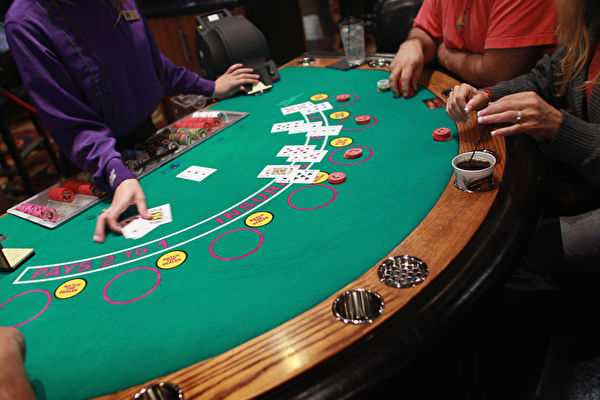
Responsible gambling platforms play a crucial role in promoting healthier gaming experiences for users. These platforms often prioritize safety and well-being, offering features designed to prevent addiction and support those at risk. For example, many platforms provide self-exclusion options, setting deposit limits, and offering resources for individuals seeking help. By actively promoting responsible gambling practices, these platforms contribute to the broader effort of minimizing gambling-related harm.
In addition to safety features, responsible gambling platforms frequently provide educational materials that raise awareness about the risks of gambling addiction. This proactive approach empowers users to make informed choices and recognize when their gaming habits may be becoming problematic. Ultimately, these platforms foster a culture of accountability and support, encouraging players to engage in gambling responsibly.
For individuals seeking to break free from gambling addiction, engaging with responsible gambling platforms can provide a safer environment for recreation. With a commitment to promoting responsible gaming, these platforms help reduce the prevalence of gambling addiction and support individuals in their recovery efforts. By choosing platforms that prioritize user welfare, individuals can enjoy gaming experiences while prioritizing their health and well-being.