
Understanding gambling addiction recognizing the signs for a healthier future
What is Gambling Addiction?
Gambling addiction, often referred to as compulsive gambling or problem gambling, is a behavioral disorder characterized by an uncontrollable urge to gamble despite negative consequences. This addiction can lead to significant financial loss, strained relationships, and emotional distress. Understanding the nature of this addiction is crucial for identifying its signs and seeking help. Many people enjoy games like Aviator, but it’s essential to be aware of the risks associated with gambling.

Individuals who struggle with gambling addiction often prioritize gambling over other essential aspects of their lives. This can manifest as increased secrecy, financial problems, and neglect of responsibilities. Recognizing these behaviors is the first step toward finding a healthier path forward.
Recognizing the Signs of Gambling Addiction
Identifying the signs of gambling addiction can be challenging, as individuals may hide their behavior out of shame or fear. However, common indicators include a preoccupation with gambling, lying about gambling habits, and using gambling as a coping mechanism for stress or depression. If a person feels compelled to gamble even when they can’t afford it, this may signal a serious problem.
Other signs include the inability to stop or cut back on gambling, chasing losses, and experiencing withdrawal symptoms when not gambling. It’s important to note that these signs can vary from person to person, making awareness essential for early intervention.
The Impact of Gambling Addiction on Life
The effects of gambling addiction can be profound and far-reaching. Financial instability is one of the most immediate consequences, leading to debt, bankruptcy, and loss of assets. Beyond the financial toll, personal relationships often suffer as trust erodes and conflicts arise over gambling behavior. Family members may experience emotional pain and confusion as they try to understand the addiction.
Moreover, gambling addiction can have detrimental effects on mental health. Many individuals struggle with anxiety, depression, and feelings of hopelessness. This cycle can create a vicious loop where gambling is used as an escape, further deepening the addiction and its negative impacts.
Pathways to Recovery
Overcoming gambling addiction is challenging, but it is possible with the right support and resources. Seeking help from professional counselors, support groups, or treatment programs can provide individuals with the tools they need to manage their addiction. Cognitive-behavioral therapy is often effective, helping individuals change harmful thought patterns associated with gambling.
Additionally, establishing healthy coping mechanisms and engaging in alternative activities can help fill the void left by gambling. Building a support network of friends and family can also play a pivotal role in recovery, providing encouragement and accountability during the healing process.
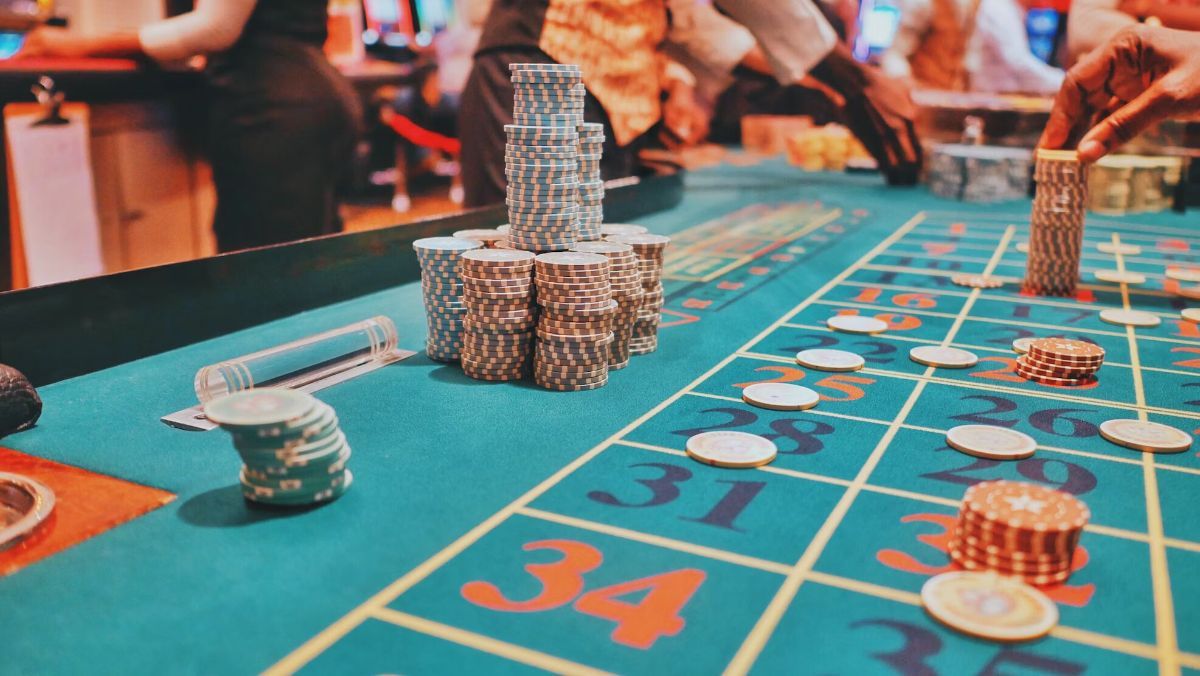
Explore Responsible Gaming Practices
For those looking to engage in gambling responsibly, understanding the risks and setting strict boundaries is essential. Platforms that promote responsible gambling encourage players to set limits on time and money spent. These practices help maintain a balanced approach to gaming, reducing the likelihood of addiction.
Staying informed about the signs of gambling addiction can empower players to enjoy gaming responsibly. By fostering a culture of awareness and support, individuals can pursue a healthier relationship with gambling while minimizing potential risks.