
The Allure of Casino Games
The world of casino games is illuminated by flashing lights and the sounds of spinning reels, enticing players to engage in the pursuit of luck and fortune. This allure is deeply rooted in the psychology of gambling, drawing individuals into a space where thrill and risk intersect. For many, the excitement of placing a bet or even exploring special offers like bonus bets serves as a potent motivator, often creating an irresistible draw to the gaming floor.
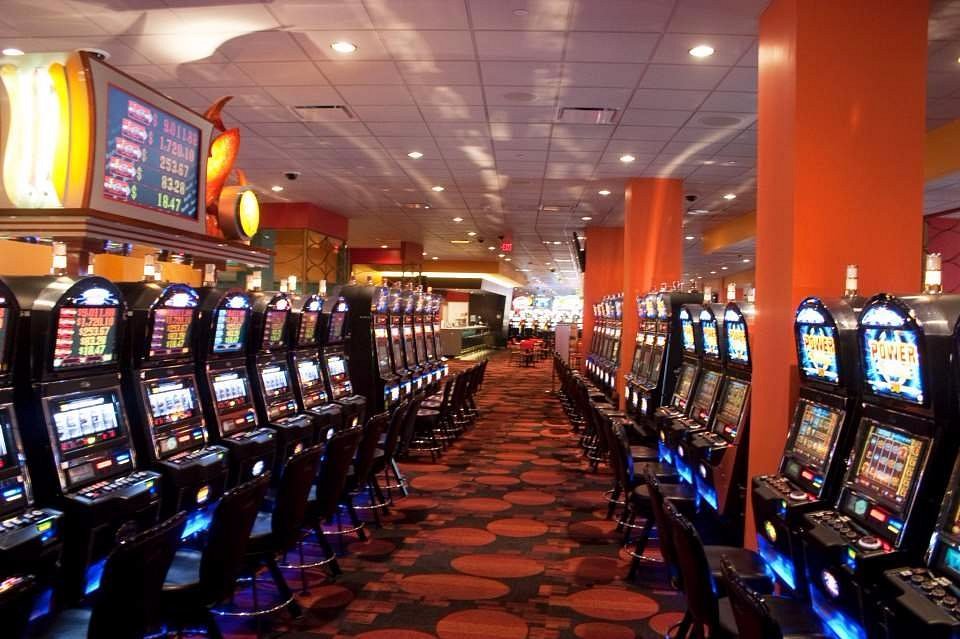
Moreover, the environment of a casino is designed to stimulate the senses and amplify excitement. From the vivid colors of the slot machines to the melodic sounds of chips clinking, every element is carefully crafted to enhance the gambling experience. This sensory stimulation can lead to escapism, allowing players to forget their everyday worries and immerse themselves in a world fueled by chance.
The Role of Risk and Reward
At the heart of gambling lies the principle of risk versus reward. Players often find themselves motivated by the potential for significant monetary gain, which can override the inherent risks involved. The psychological phenomenon known as variable reinforcement plays a crucial role here; the uncertain nature of winning can be exhilarating, creating a cycle of hope and anticipation that keeps players returning for more.
This dynamic contributes to what is known as “the gambler’s fallacy,” where individuals believe that past outcomes can influence future events. This flawed thinking can lead players to chase losses, betting more in hopes of recouping their initial investment. Such behaviors highlight the complex interplay between emotion and logic in gambling decisions, further entrenching individuals in the gaming experience.
Addiction and Compulsion
While gambling can be a form of entertainment, for some, it can develop into a compulsive behavior or addiction. The thrill of gambling can trigger the brain’s reward system, releasing dopamine, a neurotransmitter associated with pleasure. Over time, individuals may find themselves craving this rush, leading to habitual gambling despite negative consequences.
Research indicates that certain personality traits may predispose individuals to gambling addiction, such as impulsivity and a propensity for risk-taking. Understanding these psychological underpinnings is essential for recognizing when gambling becomes problematic and seeking appropriate help.
Social Influences in Gambling
Gambling is not solely an individual pursuit; social factors play a significant role in attracting people to casinos. Social settings enhance the enjoyment of games, transforming solitary gambling into a communal experience. Friends and family often influence individual choices, encouraging participation and creating shared moments of excitement.
Moreover, the societal perception of gambling can also shape attitudes. In cultures where gambling is viewed as an acceptable form of entertainment, individuals may be more inclined to indulge without reconsidering the risks involved. This collective mindset can strengthen the allure of casinos, drawing people into the world of gaming.

Ensuring a Safe Gaming Experience
Online casinos prioritize the safety and security of their players, employing advanced protection services to safeguard against potential threats. This commitment to security ensures that users can enjoy their gaming experiences with peace of mind, knowing that their information is well-protected.
Despite these measures, users may encounter access issues. In such cases, readily available resources exist for resolving these concerns, including direct communication with site administrators. The objective is to maintain a highly secure yet accessible gaming environment, fostering a safe space where individuals can explore the excitement of casino games while being aware of responsible gambling practices.
Comments are closed.