
The Cognitive Biases Impacting Gambling Behavior
Cognitive biases play a crucial role in shaping the strategies players use in casinos. These mental shortcuts may lead to irrational decision-making, often enhancing the thrill associated with gambling. The illusion of control is one such bias where players believe they can influence the outcome of games, particularly skill-based ones like poker or blackjack. This misconception can prompt players to adopt overly complex strategies, convinced that their choices will significantly impact their success. Additionally, knowing about the best uk non gamstop casinos can help players navigate their options better.
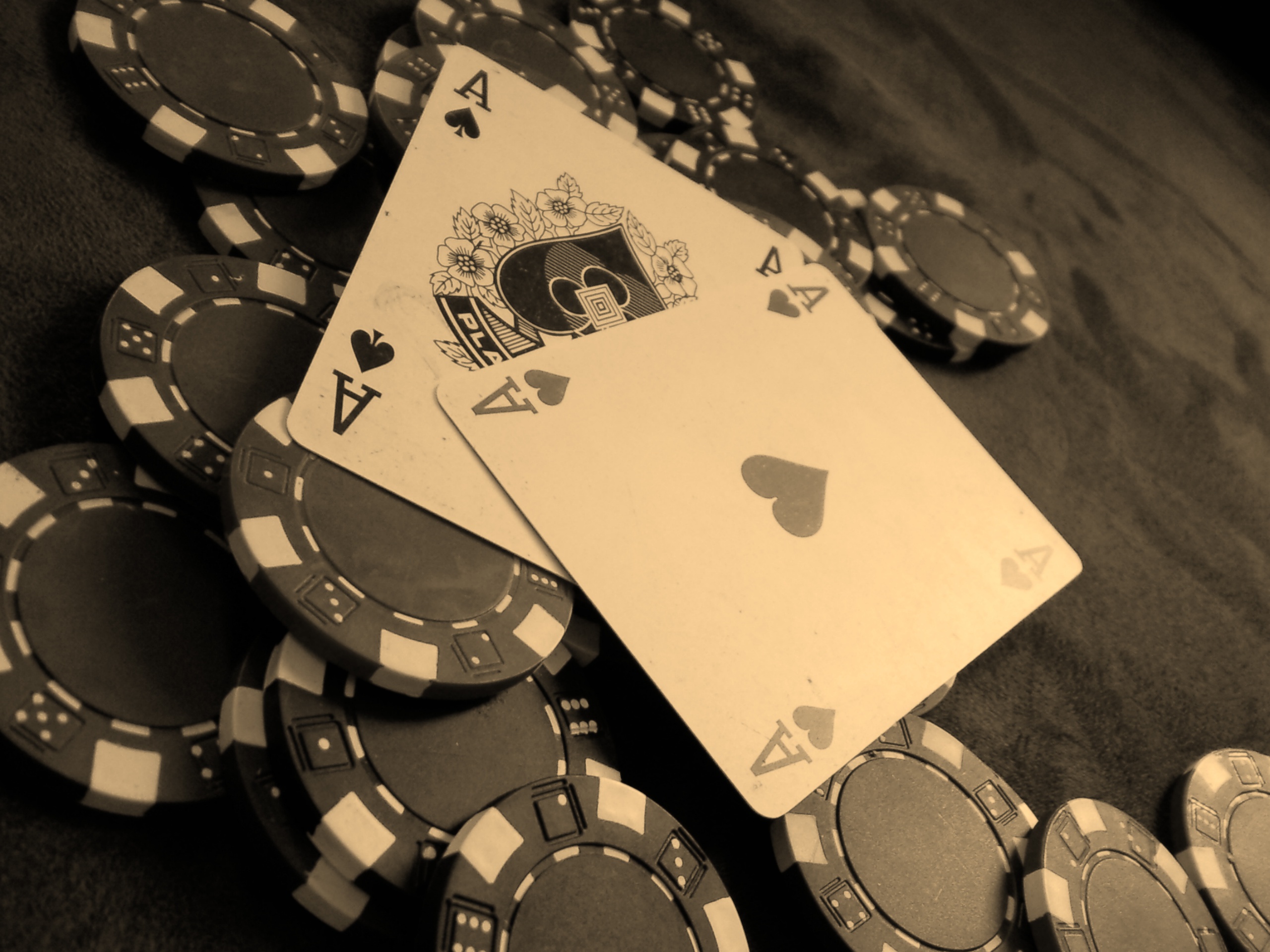
Another notable bias is the gambler’s fallacy, where players mistakenly believe that past outcomes can influence future probabilities. For example, after several losses on a roulette wheel, a player might feel that a win is due. This flawed reasoning can lead to chasing losses and adopting riskier strategies, ultimately resulting in greater financial loss rather than a wiser approach to gameplay.
Emotional Factors in Decision-Making
The emotional landscape of a casino environment significantly influences player strategies. High-stakes games often invoke heightened emotions such as excitement, anxiety, or aggression. These emotions can cloud judgment, driving players to make impulsive decisions rather than employing analytical strategies. For instance, during a winning streak, players may adopt a more aggressive betting style, encouraged by the adrenaline rush, even though it might not be in their best interest.
Conversely, feelings of frustration after consecutive losses can lead to a desperate attempt to regain control, pushing players to increase their bets in hopes of recovery. Understanding these emotional triggers can help players remain more level-headed and strategic, offering a path to more consistent outcomes over time.
The Role of Social Dynamics in Gameplay
Casino games often unfold in social settings, whether at live tables or online platforms. The presence of other players can significantly affect individual strategies. Social proof, where individuals look to others to guide their actions, can lead to players mimicking the behaviors of more experienced gamblers. This phenomenon can be beneficial, as it allows novices to learn and adapt strategies based on observed success.
However, peer pressure can also negatively impact decision-making. Players may feel compelled to take more significant risks or adjust their gameplay to fit in with others. These social dynamics can alter a player’s approach and strategy, emphasizing the importance of a solid understanding of one’s own goals and limits when engaging in casino games.
Game Design and Player Psychology
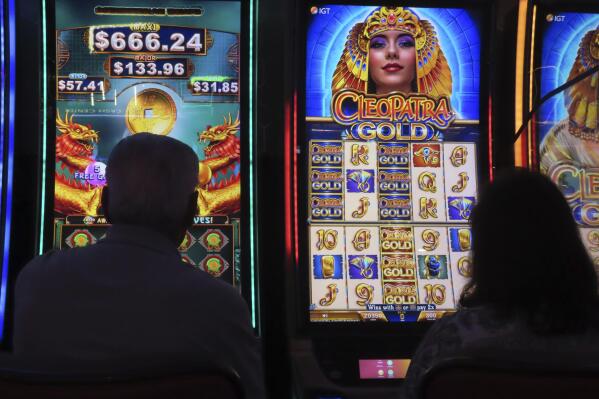
The design of casino games is meticulously crafted to engage players on a psychological level. Features such as bright lights, enticing sounds, and the thrill of potential wins create an immersive experience that can overshadow rational thought. Slot machines, for example, employ near-miss scenarios, which can trick players into believing that a win is just around the corner, reinforcing their engagement and leading them to adopt strategies based on these perceived opportunities.
Additionally, the concept of variable rewards plays into player behavior, as intermittent reinforcements can create patterns of continued play. Understanding how game designers leverage psychological principles can empower players to make more informed choices about their gameplay, balancing enjoyment with strategic thinking.
Enhancing Your Strategy with Psychological Insights
Gambling effectively is not merely about luck but understanding the psychology behind your decisions. Players can harness cognitive and emotional insights to develop strategies that align with their personal play style. By recognizing cognitive biases, managing emotions, and being aware of social influences, players can create a more structured approach to their gameplay.
Ultimately, integrating these psychological factors into your gaming strategy can lead to a more rewarding casino experience. Players who remain self-aware about their emotional responses and cognitive biases are likely to find greater enjoyment and potentially improved outcomes as they navigate the complex world of casino games.
Comments are closed.