
The allure of the casino environment
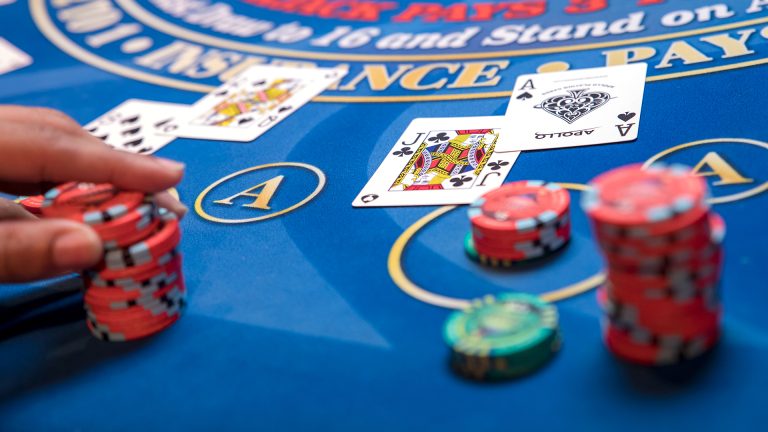
The casino environment is specifically designed to enhance the thrill of gambling, incorporating bright lights, vibrant colors, and an array of sounds that excite the senses. This carefully curated atmosphere stimulates a sense of euphoria that can easily draw individuals into a heightened emotional state. As players navigate through the expansive casino floor, they often find themselves enveloped in an ambiance that emphasizes win potential and social interaction, making it difficult to resist the urge to participate in gambling activities. Moreover, some find themselves exploring non uk betting sites as alternatives to traditional casinos, looking for fresh experiences.

Furthermore, the layout of casinos is strategically planned to encourage prolonged engagement. Games are spaced in such a manner that players are continuously drawn in by the proximity of various attractions. This design not only promotes a social environment but also reinforces the perception of success, making it easy for players to overlook the risks associated with gambling.
The psychological triggers of gambling
Gambling can invoke intense emotional responses, ranging from excitement to anxiety. Psychologists have identified various psychological triggers that influence a gambler’s behavior, such as the ‘near-miss’ effect, which can create a false sense of hope. When players nearly win but ultimately lose, it can lead to increased attempts to gamble in the hopes of achieving success, propelling them deeper into the cycle of gambling.
Additionally, the concept of loss aversion plays a crucial role in gambling psychology. Players often feel the pain of a loss more acutely than the pleasure of a win, leading them to chase losses in an attempt to regain their previous standings. This cycle can result in a detrimental impact on mental health and financial stability as gamblers struggle to reconcile their desires with reality.
Addiction and dependence on gambling
Gambling can develop into a serious addiction for some individuals, manifesting similar patterns to substance abuse disorders. The thrill of winning can become a compulsive behavior, with individuals seeking increasingly risky bets to achieve the same level of excitement. This addiction often leads to significant life disruptions, affecting personal relationships, employment, and financial stability, while the gambler may remain in denial about the extent of their dependency.
Moreover, many who fall into this trap often report feelings of isolation, guilt, and shame. These psychological burdens can exacerbate the destructive nature of their gambling habits, as individuals may engage in further gambling to escape negative emotions rather than seeking healthier coping mechanisms. It’s essential to recognize the signs of gambling addiction early to seek help and support.
The role of social influences in gambling behavior
Social factors play a critical role in gambling behavior, particularly in a casino setting. The presence of peers or the social dynamics among groups can significantly influence an individual’s decision to gamble. Friends may encourage one another to take risks, which can lead to heightened gambling activity and potentially problematic behaviors. This social reinforcement can make it challenging for an individual to discern their limits, especially in an environment where the norms are centered around risk and reward.
Additionally, peer pressure can escalate emotional decision-making, causing individuals to engage in gambling activities they might otherwise avoid. The desire to fit in or impress others can prompt individuals to gamble beyond their means, leading to impulsive decisions with significant consequences. Understanding these social dynamics is vital for addressing gambling behaviors and promoting responsible gambling practices.
Online gambling and its psychological implications
As technology evolves, online gambling has emerged as a significant facet of the gambling landscape. The psychological implications of online gambling differ from traditional casinos. The anonymity and convenience of online platforms can amplify gambling behaviors, as players may feel a sense of detachment from the risks involved. Accessibility at any time can lead to increased gambling frequency, often without the social checks that exist in brick-and-mortar casinos.
Moreover, online gambling platforms often employ persuasive design techniques to keep players engaged, such as bonuses and rewards, which can create an addictive cycle. The lack of physical interaction can also exacerbate loneliness and lead individuals to gamble as a form of escapism. It’s essential for online gamblers to be aware of these psychological traps and seek support if their gambling habits become concerning.
Conclusion
The psychological effects of gambling in casinos are complex and multifaceted, impacting individuals in various ways. Understanding the enticing elements of the casino environment, the psychological triggers involved, and the social dynamics at play can help individuals make informed decisions regarding their gambling practices. Additionally, as online gambling continues to rise in popularity, it is crucial to remain vigilant about its distinct psychological implications.
This website aims to promote a safe online environment, providing insights into responsible gambling and the psychological effects associated with gambling practices. By raising awareness about these issues, we hope to encourage healthier attitudes towards gambling while ensuring a secure browsing experience for all users.
Comments are closed.